


How Physical Therapy Can Help Sports Injuries This Spring

By: Jerome Wollfarth , PT, Clinic Director – Folsom
At Star Physical Therapy, we are experienced in dealing with all spring sports season injuries and can give you the programs to prepare you for the season and prevent new injuries! Are you looking forward to getting out on the courts? Do you look forward to golf or the start of baseball/softball season?
The winter seasons can be sedentary and lead to more aches, pains, and discomfort than one may think. Fortunately, the warm weather is a great time to get outdoors and play sports.
If you find yourself in pain from a throwing injury or a bad swing of the club or racquet this spring, or you’d like to discuss ways you can get in shape to prevent any injury, don’t hesitate to contact Star Physical Therapy.
Whether you are a young athlete or have played sports for decades, our physical therapists know how to treat your injuries and get you back in the game.

Common Causes of Sports-Related Injuries
Injuries are a part of sports, but you can resolve them quickly and get back to doing what you love with a proactive approach to rehabilitation. Most athletes learn that taking care of issues when they are small leads to a faster recovery.
Many people think sprains and strains are the same, but they describe damage to different tissues. Tendons are tissues that connect muscles to bones, and ligaments are tissues that connect bones to the bone.
- Sprains occur when a ligament is stretched beyond its limits or torn.
- Strains occur when a tendon is stretched beyond its limits or torn.
Sprains are typically the result of a trauma, a deceleration (slowing down) movement, or a sudden change in direction. The most common symptoms include pain, inflammation, muscle spasm, and sometimes an inability to move the joints where the injury occurred.
Ankle sprains are often the result of a faulty step while running or stepping on uneven terrain. The injury occurs when the ankle rolls, twists, or turns awkwardly to the outer aspect of the ankle (i.e., lateral ankle sprain). This sudden stretch leads to partial or complete tearing of the ligaments supporting the ankle joint. The severity of the injury will determine the degree of pain, inflammation, and ability to move the joints where the injury occurred.
Approximately 85% of ankle sprains are inversion sprains (i.e., rolling outward). This injury damages the outside (lateral) ligaments and may lead to restrictions on how the joint moves. The joint restrictions will, in turn, affect the athlete’s ability to tolerate running and jumping and may also lead to chronic ankle instability and new injuries that impact an athlete’s ability.
It is important to note that it is in your best interest to have a physical therapist make sure a sprain is fully healed before returning to your normal level of physical activity. Regardless of the type and nature of your sports injuries, our team can help!
What to Expect from Physical Therapy
If you’re looking for a safe way to improve your heart health, physical therapy is a great option. The overall goal of physical therapy is healing and prevention. In addition to treating the injury, our physical therapists will help resolve any pain, restore motion and strengthen the affected area to prevent additional injury.
An effective rehabilitation program depends on a thorough history to understand the exact nature of the injury and the athlete’s goals. We use the information gathered in the initial evaluation to identify the underlying condition and pathology of the symptoms.
The initial stages of physical therapy will focus on restoring any lost motion, reducing the swelling, and using all available treatments to alleviate any pain you may experience.
Your physical therapist will incorporate manual techniques and modalities to reduce pain and inflammation before initiating active rehabilitation. Our programs focus on correcting dysfunction and/or improper technique and equipment.
Dysfunctional movement patterns can last for years, leading to re-injury and other injuries. Our therapists will design a comprehensive program that includes restoring range of motion, strengthening, neuromuscular control, proprioceptive responses, and sports-specific exercises. We will look for any changes in your gait pattern that may make it difficult for you to move around freely.
Our physical therapists will show you therapeutic exercises to address any underlying issue, such as a weakness that may be contributing to altered movement patterns, balance issues, and overall susceptibility to more injuries. We will perform a comprehensive assessment to ensure we provide the tools you need to enjoy the sport you love!

Contact Star Physical Therapy To Schedule An Appointment
We will work with you at Star Physical Therapy to accommodate your needs by providing the most advanced rehabilitation strategies and injury prevention programming.
For more information, contact us today!

Exercise and Mental Health
Everyone knows that regular exercise is good for the body. But exercise is also one of the most effective ways to improve your mental health. Regular exercise can have a profoundly positive impact on depression, anxiety, ADHD, and more. It also relieves stress, improves memory, helps you sleep better, and boosts overall mood. And you don’t have to be a fitness fanatic to reap the benefits. Research indicates that modest amounts of exercise can make a difference. No matter your age or fitness level, you can learn to use exercise as a powerful tool to feel better.
Exercise and depression. Maintaining an exercise schedule can prevent you from relapsing. It promotes all kinds of changes in the brain, including neural growth, reduced inflammation, and new activity patterns that promote feelings of calm and well-being. It also releases endorphins, powerful chemicals in your brain that energize your spirits and make you feel good. Exercise can also serve as a distraction, allowing you to find some quiet time to break out of the cycle of negative thoughts that feed depression.
Exercise and anxiety. Anything that gets you moving can help, but you’ll get a bigger benefit if you pay attention instead of zoning out. By adding this mindfulness element—really focusing on your body and how it feels as you exercise—you’ll not only improve your physical condition faster, but you may also be able to interrupt the flow of constant worries running through your head.
Exercise and ADHD. Exercising regularly is one of the easiest and most effective ways to reduce the symptoms of ADHD and improve concentration, motivation, memory, and mood. Physical activity immediately boosts the brain’s dopamine, norepinephrine, and serotonin levels—all of which affect focus and attention.
Exercise and PTSD and trauma. Evidence suggests that by really focusing on your body and how it feels as you exercise, you can actually help your nervous system become “unstuck” and begin to move out of the immobilization stress response that characterizes PTSD or trauma. Instead of thinking about other things, pay close attention to the physical sensations in your joints and muscles, even your insides as your body moves. Exercises that involve cross movement and that engage both arms and legs—such as walking (especially in sand), running, swimming, weight training, or dancing—are some of your best choices.
Outdoor activities like hiking, sailing, mountain biking, rock climbing, whitewater rafting, and skiing (downhill and cross-country) have also been shown to reduce the symptoms of PTSD.
When you’re under the cloud of an emotional disorder and haven’t exercised for a long time, setting yourself extravagant goals like completing a marathon or working out for an hour every morning will only leave you more despondent if you fall short. Better to set yourself achievable goals and build up from there.


Feel Better by Eating Better!
Best St. Patrick’s Day Crock Pot Irish Stew
This Crock Pot Irish Stew is a hearty, comforting classic that’s perfect for celebrating St. Patrick’s Day. Slow-cooked and full of rich flavor, it’s an easy, cozy meal to enjoy with family and friends. 🍀
Ingredients
- 2 lbs beef chuck roast, cubed
- 2 large potatoes, peeled and diced
- 2 cups diced carrots
- 1 envelope onion soup mix
- 2 (10¾ oz) cans tomato soup
- 1 soup can water
- 16 oz frozen peas
- salt and pepper, to taste
- parsley, for garnish
- Combine beef, potatoes, carrots, soup mix, tomato soup, can of water, salt and pepper in Crock Pot.
- Cook on LOW 8 hours.
- Add frozen peas and ¼ cup water.
- Cook on LOW 1 additional hour.
- Garnish with parsley.
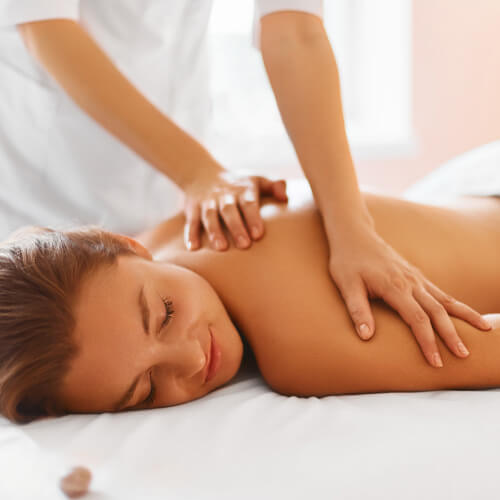
Now Offering Massage Therapy
We’re excited to announce that therapeutic massage is now available at our New Orleans East, Lakefront, and Algiers clinics!
Our licensed massage therapists offer 60-minute sessions designed to support your recovery, relieve tension, improve mobility, and help you feel your best. Whether you’re dealing with stress, muscle tightness, or recovering from an injury, massage therapy can be a powerful complement to your physical therapy plan.
Ready to relax, rejuvenate, and recover? Call your clinic today to schedule your massage or click the button below.
Limited-Time Offer: $10 OFF your first session!
Use promo code MASSAGEME when you book.
Exercise of the Month
HEEL SLIDES LONG SIT
Start by sitting on the floor with both legs extended out in front of you and your back flat. Loop a strap around your foot on your injured leg and place a towel under your heel. Slowly pull your heel toward your butt by tugging on the strap until you have reached your max comfortable range of motion. Slowly allow your heel to slide back out until your leg is straight.
3 Sets, 10 Reps. (Materials needed: towel, belt)
Let’s Get You Better ASAP!
Don’t let pain dictate your life. Take the first step towards reclaiming your mobility and well-being with our expert support. Start your journey to a healthier you today.